



Welcome to this edition of The Impact Post!
Development work runs on milestones. A policy is notified, a hospital ward is funded, a batch of trainees is placed, a midline report is filed. Each is real progress, and each is easy to count. This edition looks at what happens on either side of those moments: the steps, the people and the small decisions that settle whether a milestone becomes lasting change.
We begin with schools. In Everything at Once: NEP 2020 and the Unfinished Work of Translation, three organisations working inside state education systems look back on six years of the policy. Few people dispute where NEP wants to go. The harder questions are about pace, and about who turns broad intent into steps a school can actually manage.
The same questions come up in health, in a very different setting. Funding the Gaps, NuSocia’s interactive matrix on childhood cancer, follows a child’s journey through ten stages, from the first warning signs to survivorship, palliative care and bereavement. CSR funding for childhood cancer is real, but it gathers around treatment in big-city hospitals. The matrix maps what that leaves out for families, both before the first chemotherapy cycle and after the last and which areas should be prioritized for CSR funding to make lasting progress.
If the work in between matters, so does the way we measure it. Contribution Analysis for CSR Assessments draws on a recent midline to replace “did our programme cause this?” with a more useful question: how, and how plausibly, did it contribute? The piece is as candid about what did not work as about what did so that we measure these in-between moments to impact.
Happy Reading!
Everything at Once: NEP 2020 and the Unfinished Work of Translation
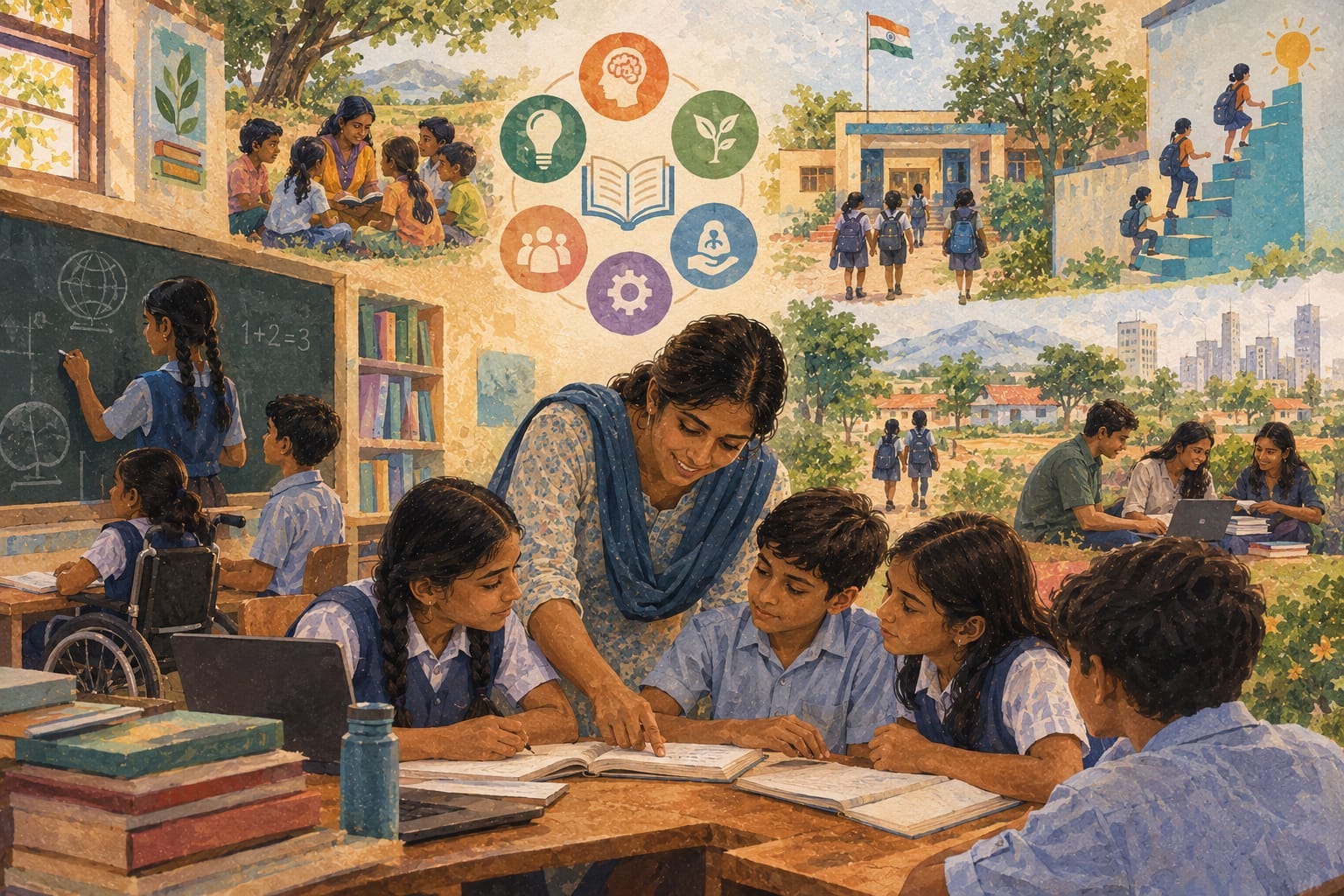
Six years in, the debate about NEP 2020 is less about direction than about pace. NuSocia put the same questions to Adhyayan Quality Education Foundation, EduWeave Foundation and OpenLinks Foundation, each working in a different part of state education systems. Their answers describe a policy built to be adapted, and the uncertainty that openness created for officials who feared getting it wrong. Some reforms moved quickly, foundational learning under NIPUN Bharat among them, because someone had already broken the change into a target, a budget line and a measure. Elsewhere, teachers juggle non-teaching duties and repeated training modules. They also face parents asking why their child is playing with clay instead of holding a pencil. For anyone supporting education systems, the piece raises a practical question: what would a phased road map look like, and who builds it?
Funding the Gaps: High Impact CSR Opportunities in the Pediatric Cancer Journey
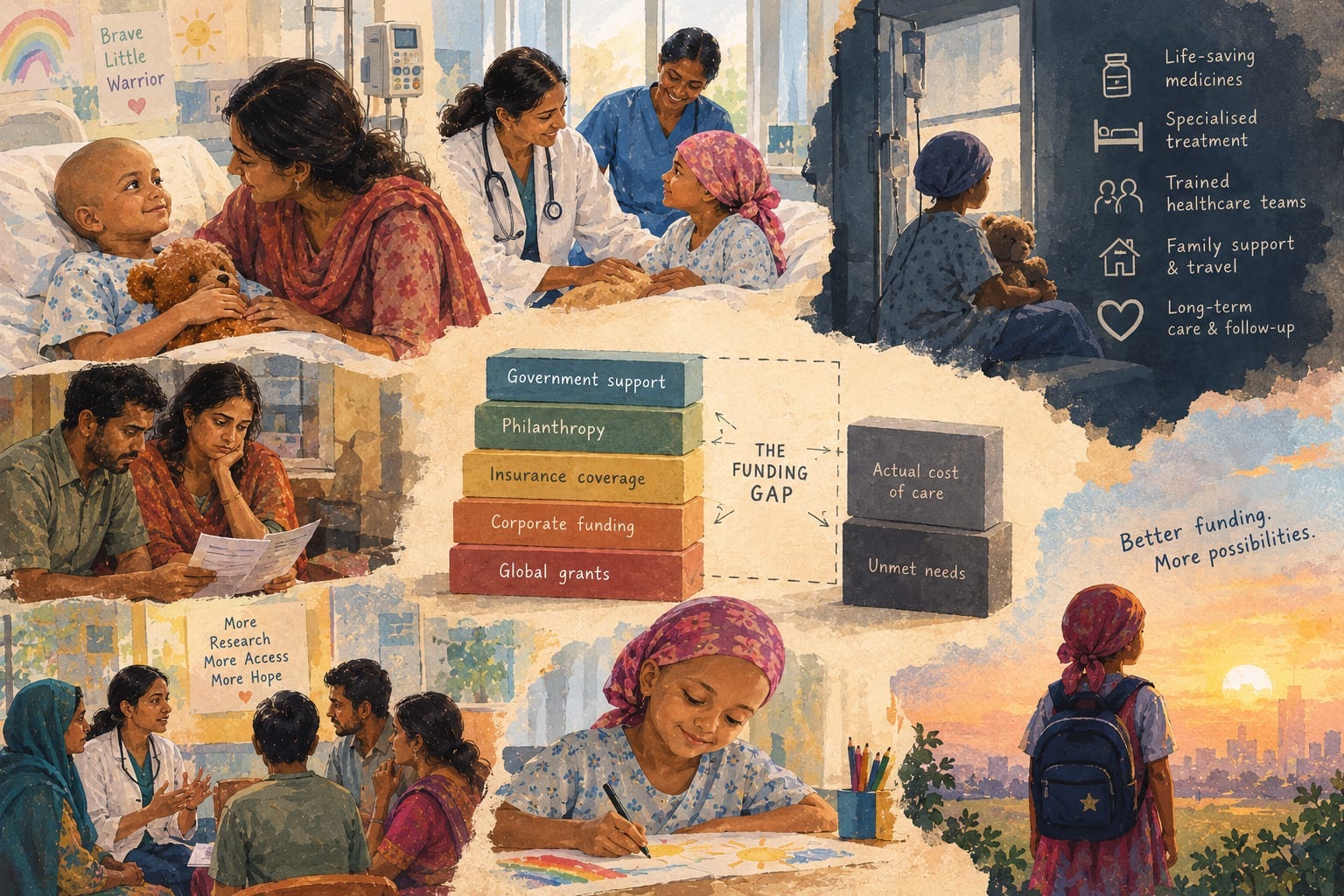
India’s CSR spending on childhood cancer is real, but it clusters around treatment in big-city hospitals. This interactive matrix steps back to look at the whole journey across ten stages. They run from awareness and diagnosis through follow-up, relapse, psychosocial support, rehabilitation, palliative and end-of-life care, and the data systems underneath. For each stage, the matrix sets illustrative CSR initiatives already under way against the gaps that research has identified. Some gaps are familiar. Others rarely come up in funding conversations: the diagnostic costs families pay before most schemes apply, or relapse care that most programmes cap or exclude. For CSR leaders building or reviewing a health portfolio, it offers a way to see where current funding sits, and where support before and after treatment could matter most.
Contribution Analysis for CSR Assessments: A Case Study from a Midline Assessment
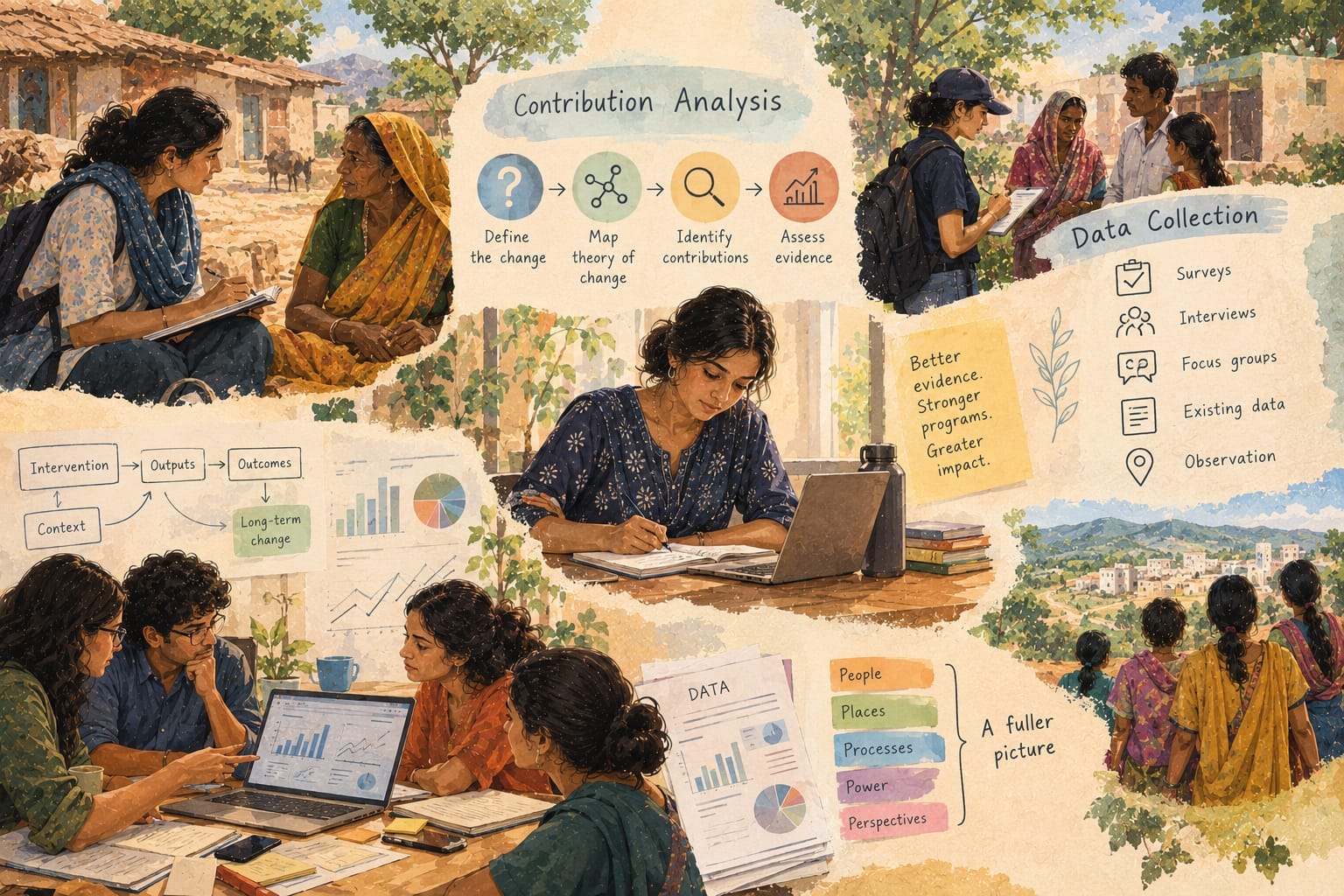
CSR programmes rarely work alone. They sit alongside NGO work, government schemes and other funders, which makes it hard to answer the familiar question “did our programme cause this change?” honestly. Drawing on a recent CSR midline, this piece describes NuSocia’s experience with contribution analysis. This non-experimental method tests each step of a Theory of Change against several sources of evidence to build a plausible contribution story. It showed where the pathway held and where it broke: participants knew why daily iron-folic acid consumption mattered, yet few took the tablets regularly. For funders and evaluators on short CSR timelines, it offers grounded lessons on when the method fits and how to use it well. If you’re interested in learning more about contribution analysis, reach out to research@nusocia.com.
The Status Quo Audit
The Nuanced Metrics of Skilling Programmes
Training completed and candidates placed have long been the default proof that a skilling programme works. Drawing on NuSocia’s assessments in Rajasthan and Gujarat, this piece looks at what those two numbers leave out.
NuSocia Pulse
Reward and Recognition for the Research Team
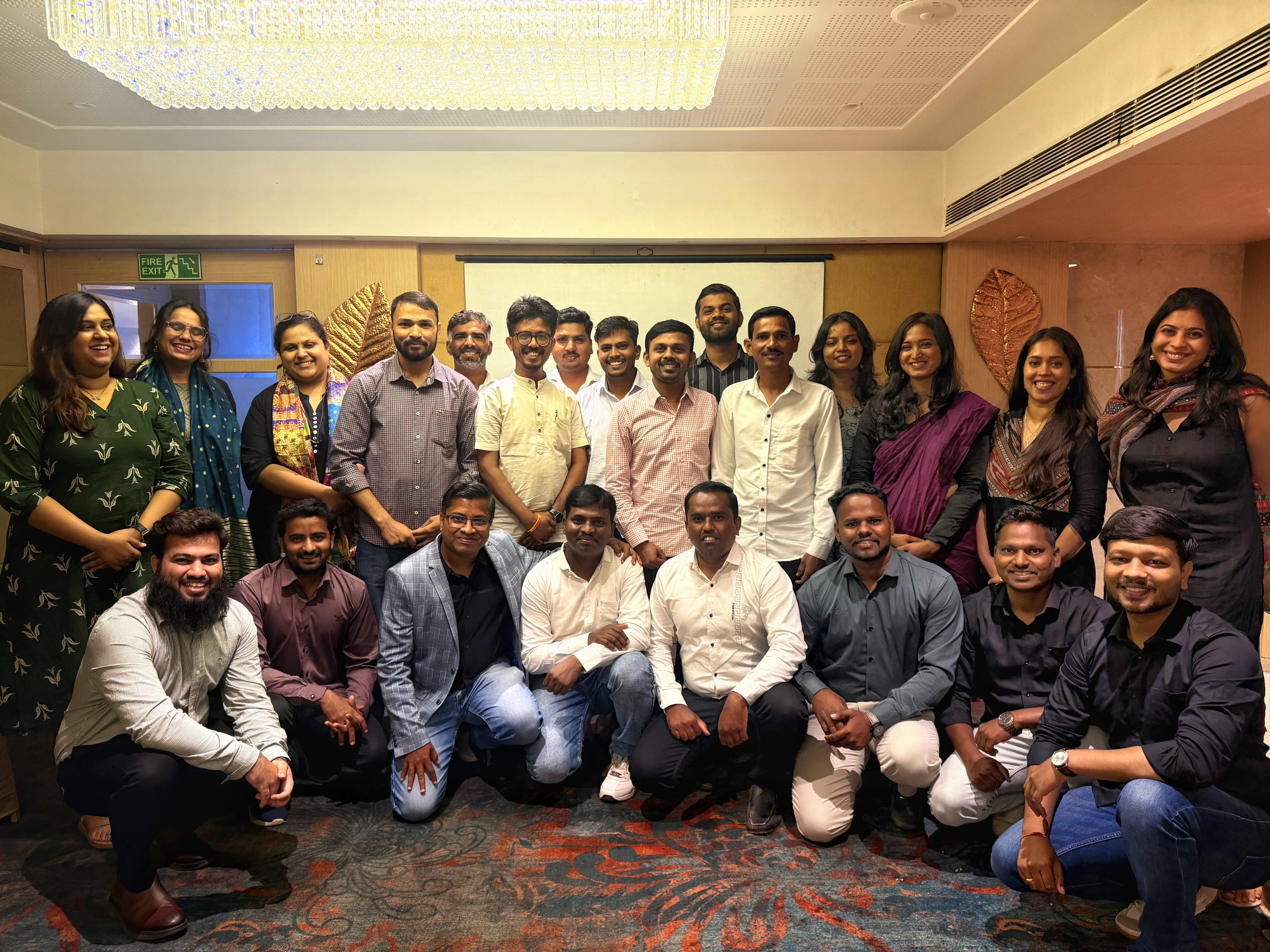
A few days ago, NuSocia held a Reward and Recognition event for our Maharashtra-based researchers, in Pune.
In every Impact assessment / evaluation project we work on, a group of local researchers works alongside the NuSocia team, in the field and in communities. Together, we bring back the stories and data behind the work.
The event was one way we said thank you.
With many of them, the bonding goes back many years now, and for a few it was more recent. But each one shared how these experiences helped them grow in their careers and find new opportunities.
Seeing how they have evolved over the years makes us incredibly proud.
To every researcher who has been part of the NuSocia journey: thank you again.
In the months to come, we look forward to connecting with our researchers across the country.