


Innovating with Less:
Social Innovations in Resource-Constrained Settings
Welcome to the latest edition of The Impact Post!
This month, we turn our gaze to the places where ingenuity shines brightest: resource-constrained settings. This newsletter is dedicated to sharing not just ideas, but tangible stories from the ground, proving that necessity truly is the mother of invention and that sometimes solutions need to be localized, not generalized.
This edition is packed with the resilience and resourcefulness that are fueling transformative change:
The Scale Question: We feature a compelling case study from Dhriiti, who are confronting a critical challenge: Which path do you take when scaling your social innovation that will continue to sustain impact without compromising your organization’s core value and mission?
Solar Pioneer: Meet an inspiring young woman who is not waiting for change-she’s building it. Dive into the story of how a micro-entrepreneur is creating her own social enterprise, bringing accessible, reliable solar technologies to her community and illuminating a path toward energy independence.
The Art of Upcycling: Discover how a small, dedicated community, supported by a little guidance, is turning waste into value. This story provides a beautiful blueprint for how upcycling, circularity, and sustainability can be fostered at the hyper-local level.
Before you dive in, we’d like to give a massive shout-out and congratulate everyone involved in the Charcha 2025 event! Read more about our session in this edition.
Happy Reading! We hope these stories spark new ideas and reinforce your belief in the power of grassroots innovation.
A Case Study: Employment or Entrepreneurship?

We feature a compelling teaching case study that we published with Ivey Publishing, Canada, about Dhriiti and the Social Enterprise, Tamul Plates, exploring the question: Which path should one take when scaling your social innovation that will continue to sustain impact without compromising your organization’s core value and mission?
This Academic case study explores how the humble arecca plant created a whole new industry of sustainable plates in the Northeast. The founders of Dhriiti and Tamul Plates not only created a movement for local farming communities but also created a strong focus and support for women entrepreneurs. Read on to discover the hard-fought learnings of social innovation and what it takes to ensure you bring everyone, including the marginalized, up in the process and keep doing it consistently over decades.
Empowering & Incubating Innovation in Low-Resource Settings
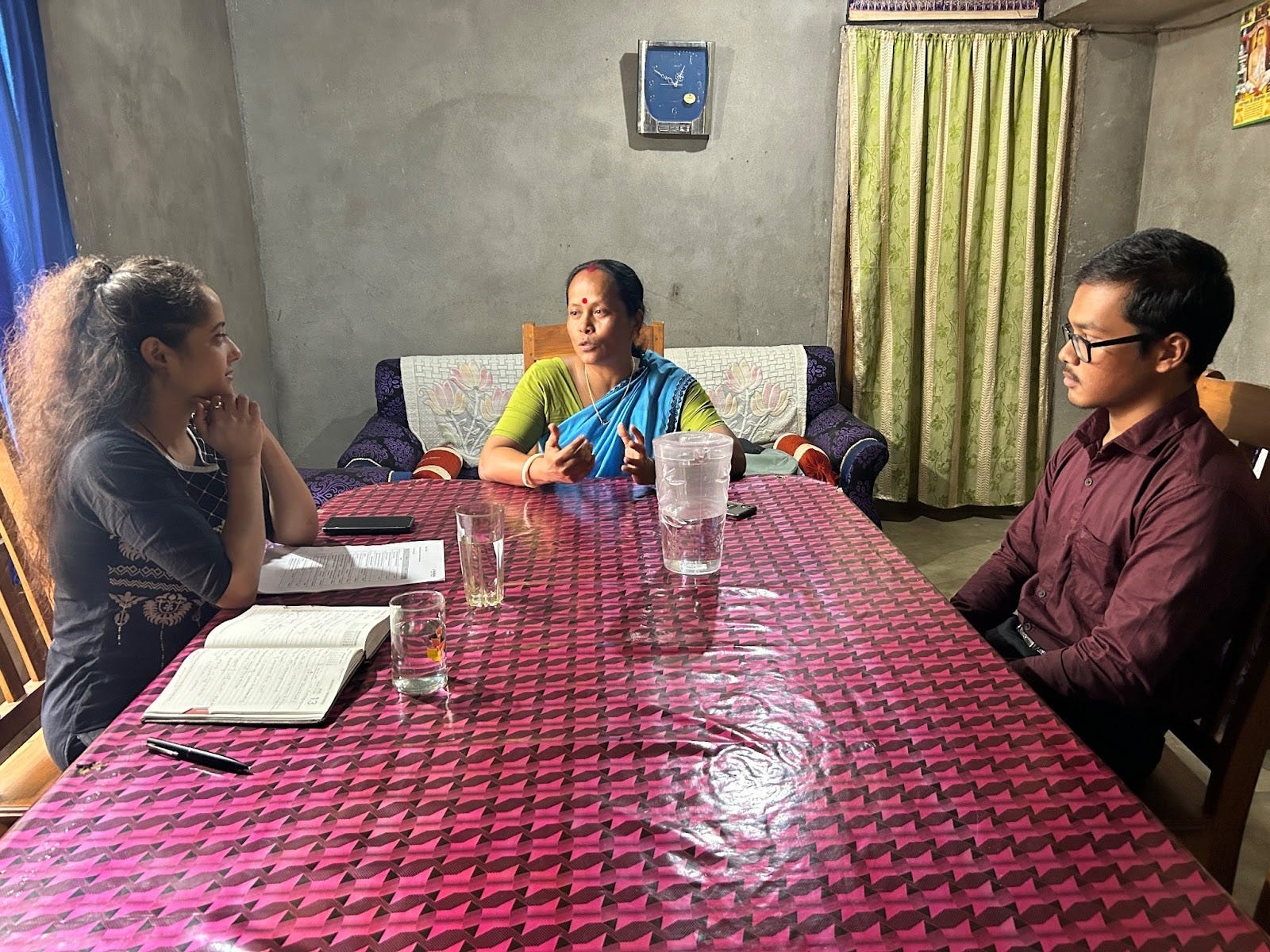
The success story of Ms. Pallabi Deka Saharia and her son’s clean energy enterprise, Saharia Solar OPC Pvt Ltd, is a testament to how the AIC-SELCO Foundation Incubation Center in Guwahati fosters innovation and growth in Northeast India. Read on to learn how it takes a little nudge, patience, and support to turn a spark into a flame when it comes to micro-innovations.
Celebrating Collaborations: AI & Tech Integration
We successfully co-hosted a wonderful session dedicated to the critical topic of AI and Tech Integration in Social Enterprises. It was a vibrant exchange of ideas on how to leverage emerging technology responsibly and effectively.
To review the key insights, essential takeaways, and future outlooks from this session, we invite you to take a look at our learnings on our LinkedIn page!
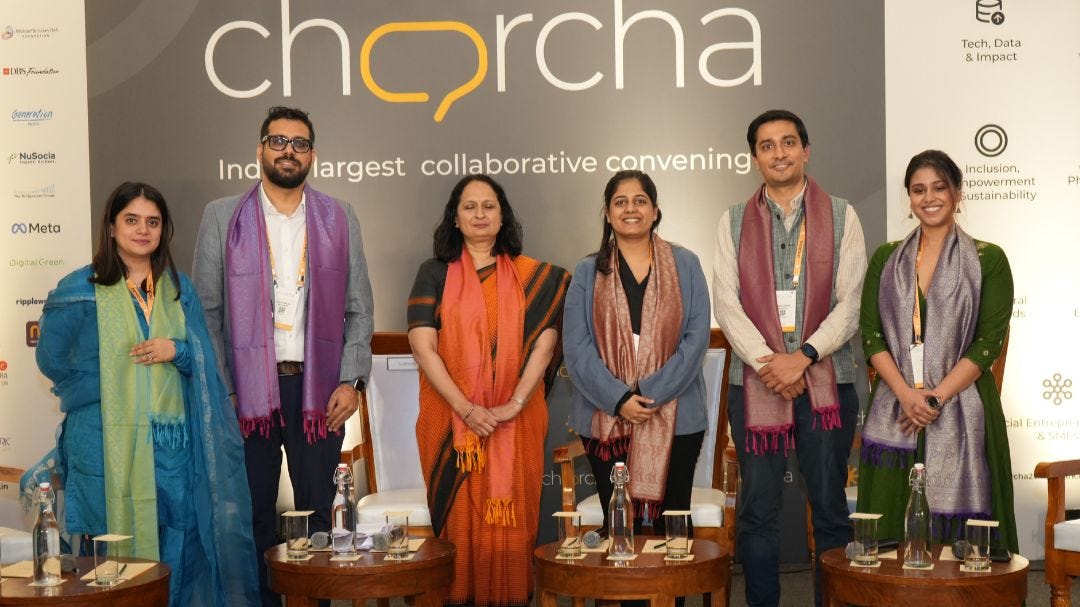
To watch the entire conversation, click on the link below.
NuSocia Pulse | Stories From the Ecosystem & Beyond
The Art of Doing More With Less
As sustainability moves from conversation to action, upcycling has emerged as one of the most efficient ways to reduce waste, extend the life of materials, and create local value. What makes it especially powerful is this: it does not demand heavy investment, sophisticated machinery, or complex infrastructure.
This is where the Umang project by IDEA Foundation offers an important insight.
Umang’s core design of working with women, building skills, and encouraging resourcefulness naturally aligns with the principles of upcycling. The project demonstrates that when communities are empowered with basic skills, simple tools, and a mindset of reuse, they can create high-value outputs from materials that would otherwise be discarded.
Umang’s resource-light enablers:
Skill first, materials second: Women learn design, stitching, repair, and transformation techniques that allow them to convert waste fabrics, old garments, packaging materials, and offcuts into new products.
Community collection loops: Households and local businesses donate materials, instantly reducing the need for procurement.
Micro-production units: Work happens in homes or small community spaces rather than in large manufacturing units.
Circular value creation: Finished products generate income, while leftover scraps get reused again, closing the loop.
In sustainability, the conversation often focuses on innovation, but Umang quietly demonstrates that innovation is not always about new technology, sometimes it’s about new ways of using what we already have.
A Shared Space & Purpose for Impact
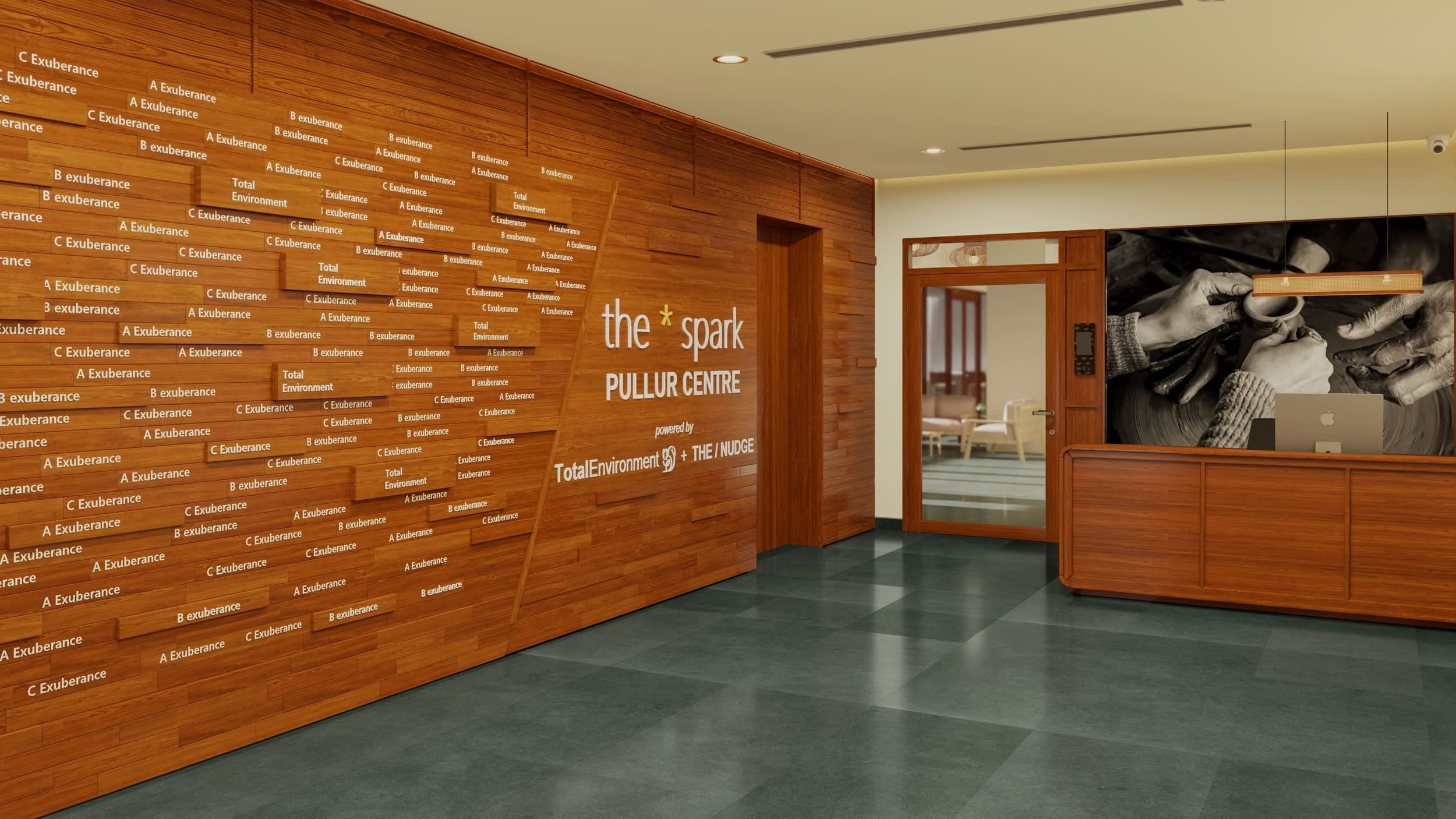
The*spark, a part of /The Nudge Foundation, is introducing the new Pullur Centre: Bengaluru’s first purpose-built home for impact! The Nudge Foundation in partnership with Total Environment brings you the*spark centre, a 20,000 sq ft with:
A 150-seater Dialogues Arena for events, roundtables & demo days
A 137-seat Venture Commons for entrepreneurs, donors & CSR teams
Podcast room, meeting lounges, gardens & collaboration zones
A community designed to spark partnerships, learning & capital flow
They’re curating the founding community - entrepreneurs, foundations, CSR leaders, investors, mentors.
To get an early invite, write to smita.chakravorty@thenudge.org / smita.chakravorty@thespark.org.in