



Welcome to this edition of The Impact Post!
In an era where development is defined as much by data integrity as it is by social equity, the impact sector is being forced to move beyond traditional checkboxes. From the high-level shifts in global diplomacy to the intimate realities of healthcare access, this month’s edition explores how we can build more inclusive and accountable systems.
Our lead feature, “Where Is India Giving, and How Much?,” examines the data behind India’s phillanthropy numbers and if we truly know the landscape of this funding ecosystem. We follow this with a critical look at the systems behind the scenes in “AI putting the “L” back in MEL,” exploring how Monitoring & Evaluation (M&E) is moving from a compliance task to a strategic powerhouse for social change.
This edition also features the Status Quo Audit, a space dedicated to asking the uncomfortable questions the development industry often sidesteps. In our second edition, we question the very foundation of our metrics: “Are we collecting the right data?” We challenge the sector to look past superficial numbers to find the true pulse of impact.
From the essential push for Gender Mainstreaming and the urgent need for transgender-inclusive public health, to a look at the future of Distributed Renewable Energy with Sachin Suresh, this month is about dismantling the structures we take for granted. We round out the issue with a powerful Field Story on how solar-powered entrepreneurship is rewriting the narrative for rural business owners.
We hope these pieces challenge you to think not just about the work we do, but the underlying assumptions of why we do it.
Happy Reading!

Where Is India Giving, and How Much? The Honest Answer Is: We Don't Quite Know
The authoritative-sounding figures in Indian philanthropy may be more of a mathematical illusion than a reality. In this deep dive by the NTRC, we peel back the layers of a fragmented data landscape where double-counting, needs-gap projections, and compliance-heavy reporting create a skewed picture of social impact. We reveal why the sector's reliance on these big numbers is a strategic risk. Read the full piece to discover why the data we trust most might be measuring compliance instead of impact and how you can avoid the "feedback loop" trap in your next strategy.

AI Putting the “L” back in MEL
For years, the "L" in MEL (Monitoring, Evaluation, and Learning) was often a silent partner to compliance, but technology is finally turning the ambition of real-time learning into a corporate reality. In this article, we explore how the shift from stagnant annual reports to AI-powered dashboards is transforming M&E from a retrospective verdict into a forward-looking engine for strategic growth, featuring case studies from the WHO and the Gates Foundation. Read the full article to see the "Then vs. Now" of CSR data and ask yourself the ultimate question: Is your system learning fast enough to actually matter?
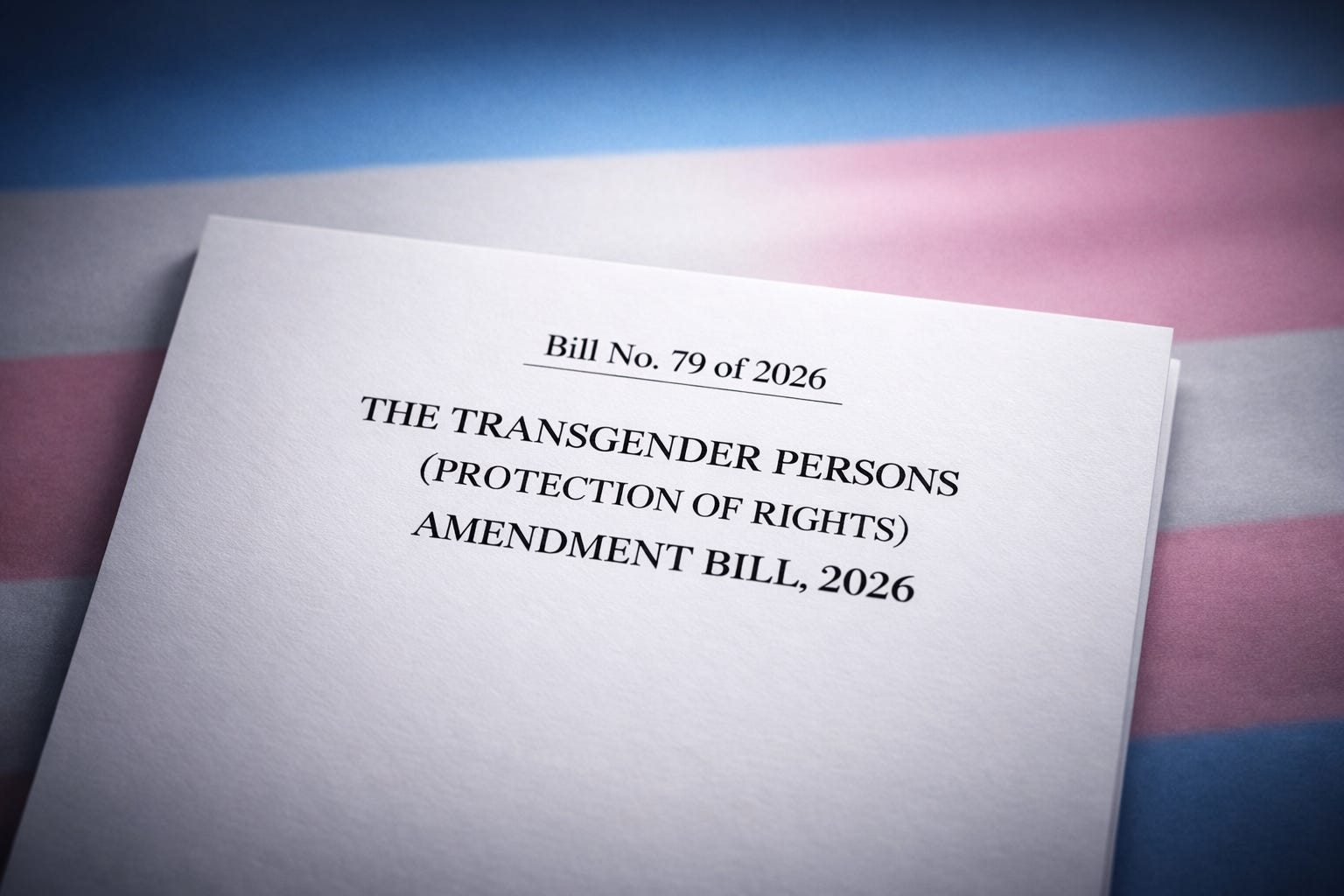
The Intersection of Gender Identity and Health for the Transgender Population in India
India’s transgender community is facing a critical healthcare tipping point with new legislation. The 2026 Amendment Act has redefined what it means to be transgender and has instituted a new medicalized system for identify. This article by the Public Health Center of Excellence explores how a shrinking legal definition is creating a massive "invisibility gap" in public health, leaving the most vulnerable populations to navigate a landscape of self-medication and heightened risk. Read more to find your role in supporting the groups that now may fall through the cracks.

Gender Mainstreaming, Fem-Washing, and the Cost of Doing It Wrong
While “fem-washing” turns gender mainstreaming into a hollow checklist of optics and hashtags, true institutional change requires moving beyond the aesthetic to challenge deep-seated power structures. This article by the Gender Center of Excellence, reveals the high cost of doing gender work badly and how tools like gender audits can bridge the gap between performative compliance and genuine structural impact.
If you would like to know more about gender audits, reach out to our Head of Gender Center of Excellence, rama@nusocia.com.
The Status Quo Audit
Are We Measuring What Matters - or Just What We Can Defend?
Did we fail, or is the data just messy? In our second "Status Quo Audit," we confront the structural “performance” of success that plagues the development sector. The article explores the “accountability wall” that forces NGOs to prioritize tidy outputs over the messy, long-term systemic shifts that truly stick. Read the full critique to find out why the sector’s obsession with “success” might actually be its biggest barrier to real impact.
NuSocia Academy
In our latest NuSociology, Episode 2, we continue our conversation with Sachin Suresh from Schneider Electric, Access to Energy, as he shares more insights on Distributed Renewable Energy and its growing relevance in the development landscape.
If you’ve already watched Episode 1, this is the natural next step in the conversation. And if you haven’t yet, this might be a good moment to go back and start there.
NuSocia Pulse | Stories From the Ecosystem & Beyond

Stories from the Ground
The Opportunity of Solar Run Businesses in Rural India
“Disease doesn’t just affect the patient; it impacts entire families.”
- By Namrata Shinde, Head of the Sustainability Center of Excellence
The business had a significant objective: to modernise the production of Eri silk—one of Assam’s most prized traditional crafts—while addressing the frequent power shortages faced by weavers in remote areas. Eri silk, known for its eco-friendliness and luxurious texture, is central to Assam’s cultural and economic landscape. However, the traditional reeling process is time-consuming and inefficient, leading the innovator to develop reeling machines that could boost productivity.
As an evaluator, we looked at the impact of the incubation on businesses and subsequent solar integration efforts in the region. The reeling machines cost about ₹6,000 without solar integration, which is affordable but dependent on unreliable grid power. With the addition of solar panels, the price increases to ₹25,000-₹30,000—an investment that many weavers initially found steep but crucial for those facing frequent power cuts.
The majority of the weavers were opting for machines without solar powered systems. The decision largely came down to the financial capability of the weavers. While solar integration added to the cost, it provided these artisans with the freedom to work uninterrupted, ensuring productivity even in power-deficient areas. The project highlighted not just the cost implications of adopting clean energy but also the tangible benefits it offers to small-scale industries. The weaving community, with their deep-rooted connection to Eri silk production, could now expand their business with modern equipment, all while being less reliant on conventional energy sources.
The integration of solar energy into small, rural businesses like this one has immense potential. In regions where access to reliable electricity is a constant struggle, solar power presents an opportunity to create long-term solutions for uninterrupted productivity. For the weavers of Assam, it can mean better livelihoods, reduced energy costs, and increased self-reliance.
However, the challenges of solar adoption in rural and local businesses cannot be ignored. The high upfront costs deter many small-scale entrepreneurs, even when long-term benefits are clear. Furthermore, the technical expertise required for the installation, maintenance, and troubleshooting of solar systems is often lacking in remote areas. Financing models, training, and awareness campaigns are critical to helping local businesses tap into the full potential of solar power. If we can address the initial cost barriers and provide adequate support, solar-powered businesses could be the driving force for sustainable economic growth in rural regions across India.
Ecosystem News

Are you ready to transform the way the world travels? The Social Entrepreneurs in Tourism Competition is a global call to action for visionaries who believe that tourism can be a powerful force for social and environmental good. Whether you are in the "Launch Track" with a fresh idea or the "Growth Track" with an existing project, this competition provides a unique platform to gain international visibility, financial support, and world-class mentorship from industry leaders like Amadeus and ITB Berlin. By aligning your venture with the UN Sustainable Development Goals you are shaping a more inclusive and resilient future for global destinations. Don't let your innovative solutions stay on the sidelines: apply today to join a global network of changemakers and turn your passion for impact into a sustainable reality!