



Welcome to this edition of The Impact Post!
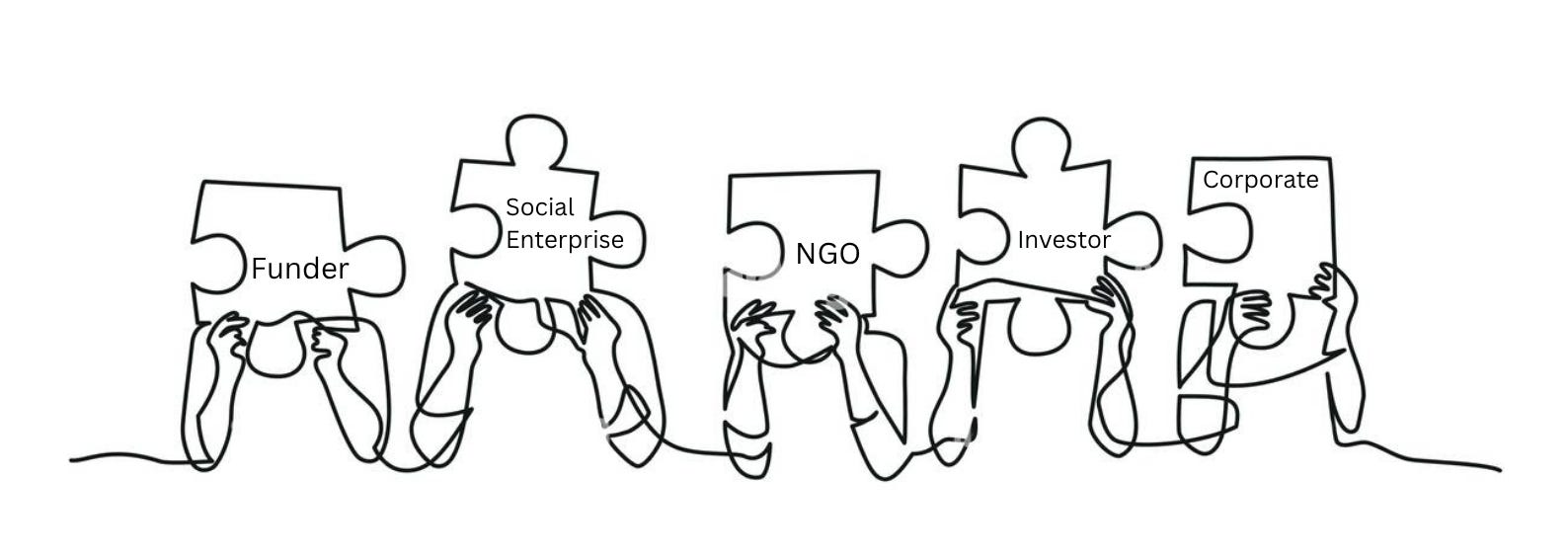
India’s social sector has spent decades organising itself around a familiar funding grammar: CSR spend, government grants, FCRA inflows. This edition of the impact post opens by asking how that grammar has changed and how it effects the actors in this system. “Beyond CSR: Why Every Social Organisation Needs to Understand Sustainable Finance” makes the case that three funding streams now account for the overwhelming majority of sector income. This concentration leaves little room for the fiscal limits and ceilings each of those streams eventually runs into. It maps the fuller toolkit of blended finance, impact bonds, and ESG-linked partnerships that belong in the development sector arsenal and the evidence they need to access it.
“The Social Stock Exchange Isn’t a Marketplace Yet. It’s a Test.” takes one instrument from that toolkit and asks how it’s actually performing, four years in. The numbers are more revealing than the pitch: a wide gap between organisations registered and organisations that have actually raised money, and a fresh regulatory change that could either close that gap or expose how far the platform still has to go.
From there, the edition turns to a different kind of structural accountability — the ones built to look inclusive. “Beyond the Rainbow Logo” examines what’s happening beneath the retreat of corporate Pride visibility, in the US, UK, and India, and whether quieter commitment is deeper commitment, or simply commitment that’s easier to walk back unnoticed.
We close with our Status Quo Audit, which asks whether our MEL systems can track the counterfactuals: the pandemics prevented, the complications cut short, the infections prevented. It deep dives into how our system may be incenstivizing the continuation of aid instead of building a self-sufficient system.
Financial architecture, corporate commitment, and what we choose to measure and reward — different structures, but the same quiet question running underneath each: who actually gets a say, and who gets heard before we decide what needs fixing.
Happy Reading!
Beyond CSR: Why Every Social Organisation Needs to Understand Sustainable Finance

Three funding streams, CSR among them, now account for roughly 69% of all Indian social-sector funding — a concentration this piece argues won't hold as fiscal and philanthropic ceilings close in. It maps the wider toolkit already emerging around that gap: impact bonds, blended finance, the Social Stock Exchange, and ESG-linked partnerships, and argues that governance and evidence, not just delivery, are what unlock all of them.
The Social Stock Exchange Isn't a Marketplace Yet. It's a Test.
Four years in, India's Social Stock Exchange has more registrations than raises — a gap this piece treats as the single most telling number in the story. A May 2026 rule change just made it newly relevant to CSR spending, which could either close that gap or expose it further. A grounded, actor-by-actor read of where funders, NGOs, and evaluators actually stand.
Beyond the Rainbow Logo: What DEI Backlash Is Actually Doing to Corporate Pride

Corporate Pride visibility is retreating across the US, UK, and India — but this piece resists reading that as pure hollowing-out. It traces a shift from visible allyship toward policy-level commitment, and examines why India's version of this story, shaped by legal absence rather than political backlash, looks different, and often shallower, underneath.
The Status Quo Audit
The Number That Isn’t There
The sector counts what it gives — meals served, doses administered — and struggles to count what it prevents. This piece sits with that structural blind spot and the incentive it quietly creates: a system better rewarded for continued need than for resolved need. Dive into this honest reflection and uncomfortable question of planning for our own obsolescence.
NuSocia Pulse | Stories From the Ecosystem & Beyond
Stories from the Ground
Fieldwork with Empathy
“…when working in tribal areas, it's important to move beyond just finding ‘problem statements’. There are plenty of positive practices we can learn from them, which deserve to be highlighted too.”
- By Anuj Navle, Project Manager at NuSocia
During visits in various tribal regions, I assume we often notice an immediate focus on what “needs to be improved” in these communities. While there’s no doubt that support is essential in many areas to ensure equal opportunities, I sometimes feel that the narrative becomes overly judgmental. It’s easy to critique certain practices without truly understanding the broader context or realising that similar behaviours exist in urban settings too. Another challenge is expecting the change in practices and deeply rooted traditions in a shorter period with irrelevant interventions.
Take, for example, alcohol consumption in tribal areas. It’s a topic of discussion, often with a strong push for reduction through one-year project interventions, usually aimed at creating awareness only. In my conversations with the tribal community, it became clear that alcohol and tobacco consumption is not just an individual choice but also tied to societal norms. I was surprised to learn that in many tribal weddings, serving alcohol and tobacco is almost an unspoken rule. If these aren’t provided, it’s seen as an insult to the guests. This societal pressure makes it incredibly difficult for anyone to abstain, even if they wanted to.
At first, I found myself thinking, “What a severe problem!” But then I reflected on similar behaviours in urban settings. Consider how Bollywood often glamorises alcohol consumption, making it seem inseparable from celebration.
In a movie Vicky Donor there’s a scene during a Punjabi wedding where alcohol is portrayed humorously, with the groom’s mother lost in celebration, sipping rum outside the venue in the ‘Rum Whiskey’ song. When she realises the wedding ceremony has already begun, she hilariously shouts to the other baratis while putting her Whisky glass down, “Oye, band karo! Phere shuru ho gaye, kanjaro!” It’s funny and lighthearted, almost glorifying alcohol as an inseparable part of the Punjabi weddings and celebration. And it doesn’t stop there—countless Bollywood songs glamorise alcohol, making it part of the “fun.”
We’ve all seen how this isn’t just confined to certain socio-economic groups—it spans across the board.
Now, I’m not against these kinds of celebrations (except for when it leads to drunk driving or abuse). What makes me pause is how short-term CSR projects approach traditional customs of the tribal. The weird part? Again, for example many of these awareness programs/interventions on alcohol consumption target women as the “beneficiaries,” mainly because they’re available in the village, while the actual affected individuals—usually men working far from home—are often overlooked. We’ve all seen those ‘impact photos’ where a group of women and children gather around a banner promoting alcohol reduction awareness. But let’s be real: the majority of these women, often with limited decision-making power in their households, have little control over the problem at hand. It makes you wonder if we’re missing the point entirely.
That’s why, when it comes to 1-3 years projects with expectation of behavioural change as an ultimate goal or impact, I find education-based interventions the most promising. During one of my assessments in a tribal region, the local tribal farmers, already dealing with losses due to unpredictable weather with marginal land ownership, were hesitant to adopt an organic farming approach using traditional seed varieties. Understanding their concerns, the donor and implementers gave each farmer a small portion of hybrid seeds for income generation.
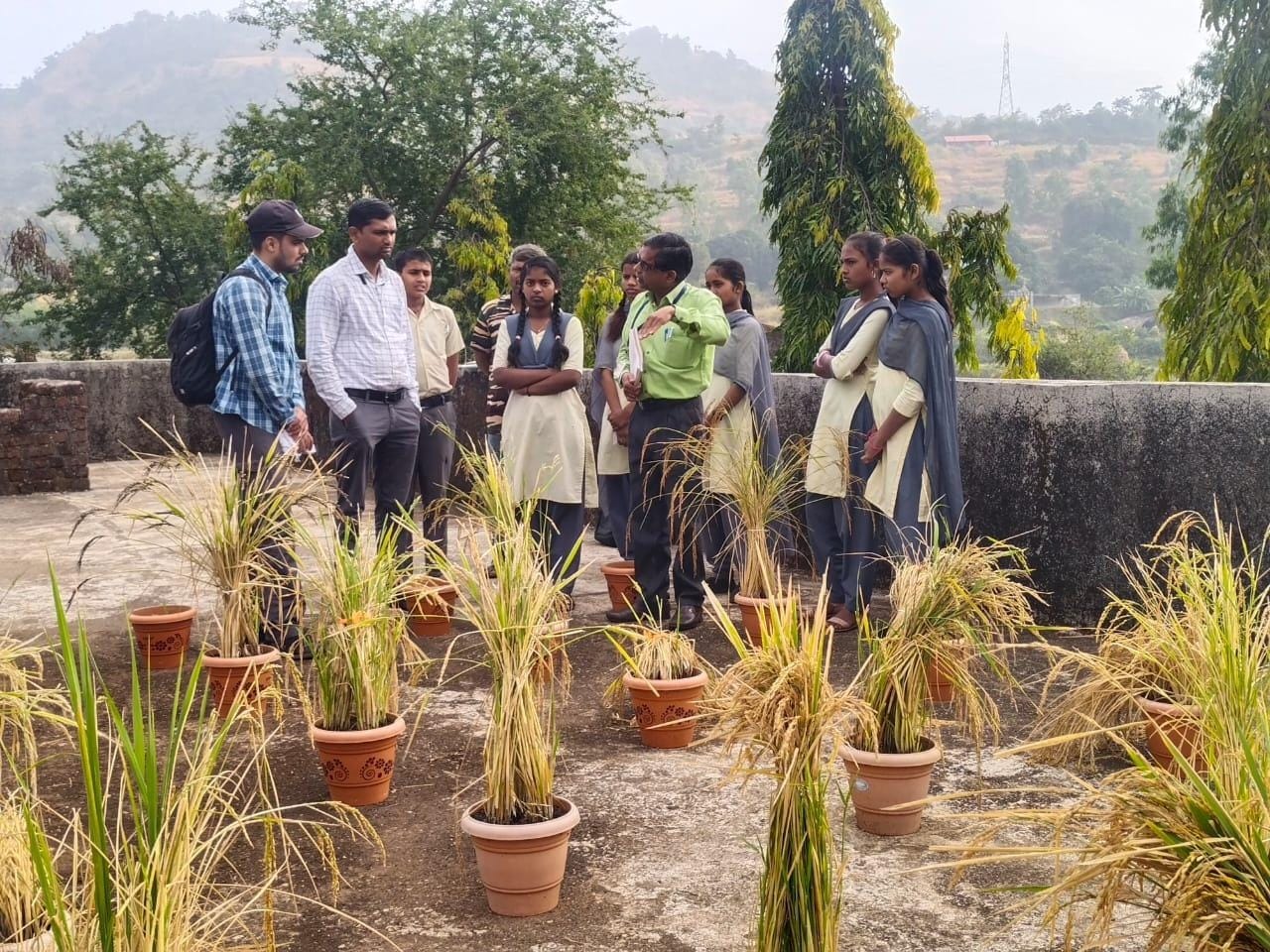
But the real game-changer? They took this initiative into schools. By collaborating with Teachers and school management committees, they taught students about organic farming and traditional seeds. As part of the practical lesson, each student was given a pot and seeds to grow. After the crops matured, students harvested about 100 grams of seeds, and teachers encouraged them to convince their parents to plant these in a small section of their land.
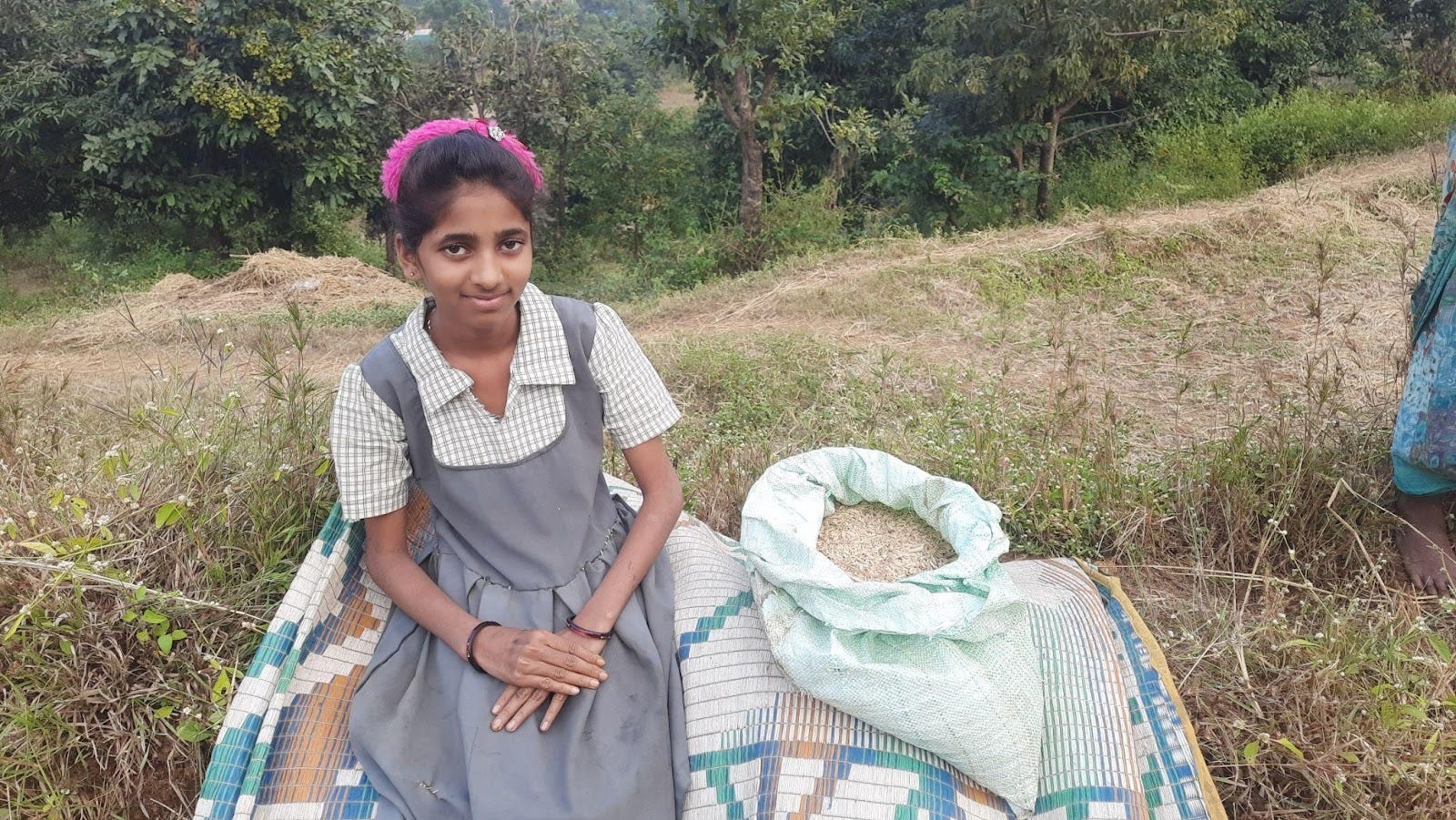
The results were remarkable—those 100 grams of seeds grew into 12-15 kg of produce in three months. This empowered the children, while the tribal farmers began to see the potential of traditional farming methods.
There are countless examples where projects like these. Educational interventions, particularly when aimed at the next generation, can have a powerful ripple effect in both urban and rural settings.
Of course, this doesn’t mean adult-focused interventions should be abandoned related to alcohol consumption and substance abuse, but they need to be more targeted—think individual counselling instead of broad awareness sessions. And when working in tribal areas, it’s important to move beyond just finding ‘problem statements’. There are plenty of positive practices we can learn from them, which deserve to be highlighted too.
Ecosystem News
NuSocia has officially been enrolled as a Social Impact Assessment Organisation with the ICMAI Social Auditors Organisation!
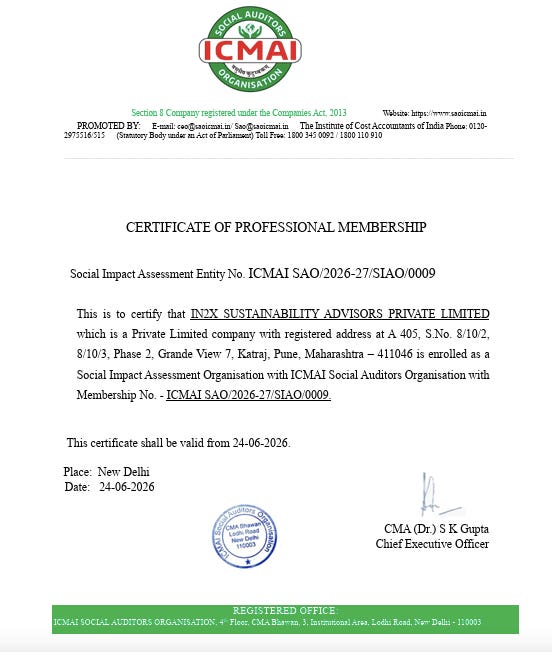
Fewer than 10 organisations in India hold this status. This milestone significantly strengthens our positioning and reinforces our deep commitment to advancing the practice of Social Impact Assessment, Measurement, and Communication.
We are excited about the future and the opportunity to drive even more meaningful, measurable change!
A Study India's carbon credit market: The need for more evidence before it scales
As India's carbon market widens beyond energy and industry into forests, farms, grasslands, and rice fields, this IDR piece (via Mongabay India, by researchers at TERI) argues that the evidence and consent behind a project matter more than how many credits it promises. A 2024 study across thousands of carbon-crediting projects found a striking share delivered far less real emission reduction than claimed, and the piece walks through specific cases, including credits later found to be overissued, and a Kenyan grassland project that was reinstated only after a verified community consent process to make the point concrete. Its throughline: feasibility, land tenure, and free, prior, and informed consent have to come before credits are issued, not as a correction afterward.